
THE RAPTOR
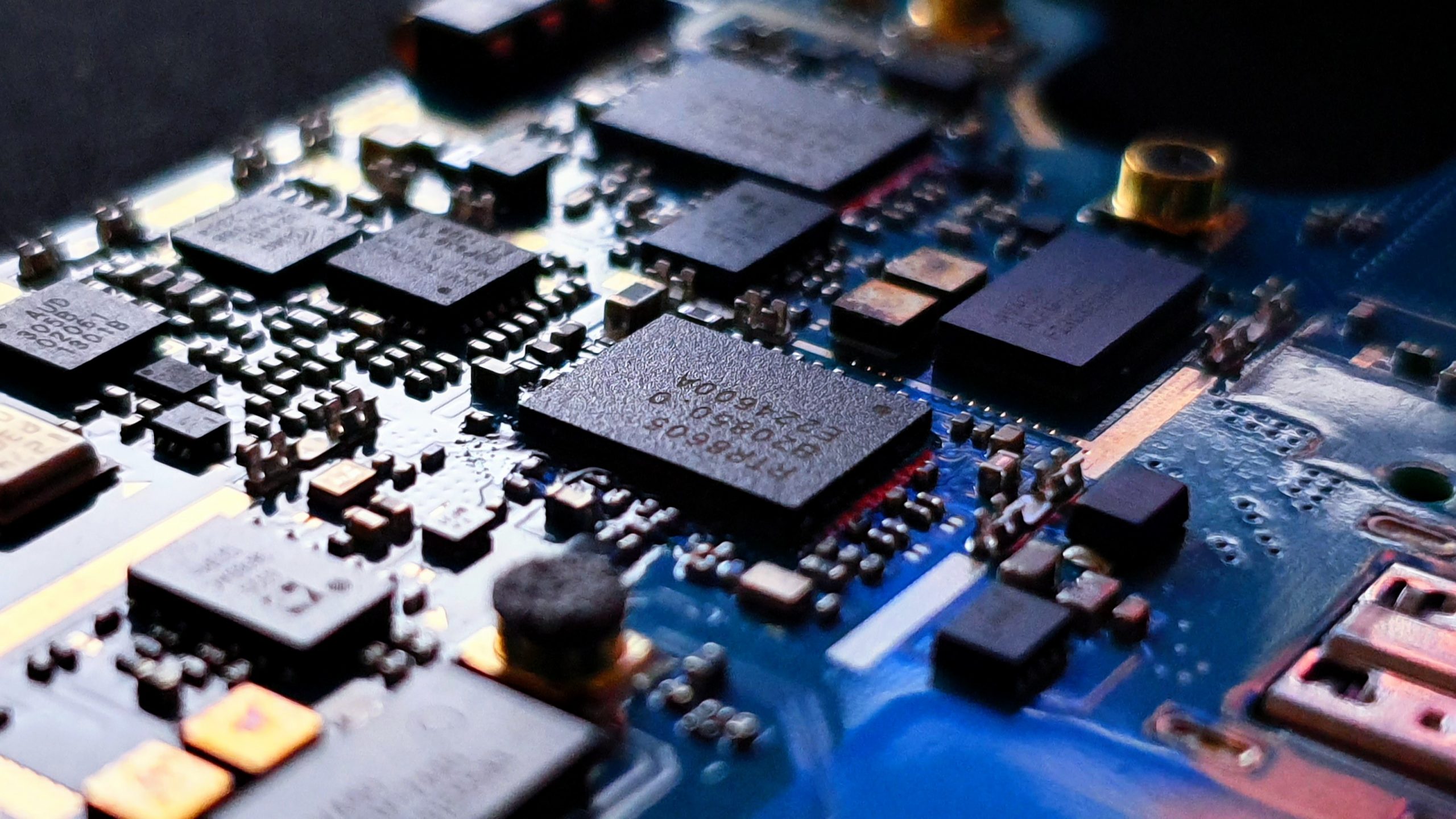
Our project embarked on a meticulous journey, starting from the ground up, with a focus on our RF transceiver module and double balanced mixer. Central to our design was the understanding of the math behind the mixer component, which was crucial for creating a series of believable decoy signals aimed at deceiving enemy forces. We delved into an equation that accounted for the sum and difference frequencies produced by the transceiver and the voltage control oscillator, a pivotal understanding that illuminated the overall efficiency and reliability of the device in real-world scenarios.
In parallel to hardware development, our team dedicated countless hours to fine-tuning the software algorithms that drive the device. This intensive coding and debugging process ensured a seamless integration between the hardware and software components, resulting in a device that boasts not only advanced hardware capabilities but also intelligent and adaptive software.
As we progressed to the next testing phase, our focus shifted to evaluating the device’s performance, reliability, and potential applications. This phase began with an in-depth analysis of an 800 MHz signal – a frequency chosen by the software compiled from over 3000 lines of code written by our team. Using the GUI displayed on our LCD, we selected a bandwidth of approximately 1 GHz, which included the 800 MHz signal. The analysis of this randomly generated signal confirmed our expectations, verifying the output as a combination of the VCO and Transceiver generated signals.
Our tests also included critical observations on the relationship between transmitting distance and the frequency in use. Detailed graphing of the device’s output across a range of frequencies revealed how changes in frequency directly impact the signal’s effective transmission range. This insight is invaluable for fine-tuning the device for optimal performance across different distances, a crucial factor for practical applications.


To further understand the device’s range capabilities, we employed precise calculations involving the Free Space Path Loss (FSPL) equation. This calculation enabled us to compute the maximum effective transmission distance, taking into account various environmental influences that could impact signal strength and clarity.
Our comprehensive testing not only validated the functionality of our device but also opened doors to new possibilities in the field of signal technology. The insights gained mark a significant milestone in our project, laying the groundwork for the next steps in our development process and bringing us closer to realizing the full potential of this groundbreaking technology. As we continue to refine our findings and explore new applications, our commitment to innovation and excellence remains steadfast.

Project Numbers
1200
Hours of Research & Developement
12
Months of Developement
Affiliated With